Malta is an incredible country to visit and a great place for an island getaway vacation! I know this as I lived there as a digital nomad from 2024 to 2025, and I have learned so much about this beautiful island! I have been able to give this a lot of thought, and if you are visiting, here are the things to know before you go to Malta!
Disclosure: This post contains affiliate links. If you book through them, I may earn a small commission at no extra cost to you.
Things to Know Before You Go to Malta: The Complete Guide
- 1. Malta Airport to Hotel Transportation: What To Use
- 2. Best Areas to Stay in Malta
- 3. Malta Currency
- 4. Malta Local Dishes
- 5. Getting Around Malta and Gozo
- 6. Mobile Data in Malta
- 7. What to Pack for Malta
- 8. Things to Visit in Malta
1. Malta Airport to Hotel Transportation: What To Use
There is only one major international airport in Malta: Malta International Airport (MLA). The best way to get to your accommodation is to book a taxi, which can be done through Uber or Bolt. Both apps are widely used and are very convenient. The pick-up location for the app is right across the street from arrivals. For reference, a ride-share app (Uber, Bolt) from the airport to Sliema will cost around 15€ and will take about 20 minutes.
Note: There are public buses that you can take. The cost of an Airport Bus ticket is around 3.00€, and for reference, taking a bus from MLA to Sliema will take between 35 minutes and 1 hour (depending on which bus you take).
2. Best Areas to Stay in Malta
So you have decided on travelling to Malta, and next, you have to decide where to stay! In my opinion, there are three areas that are optimal to stay in: Valletta, Sliema, and St. Julians.

Valletta
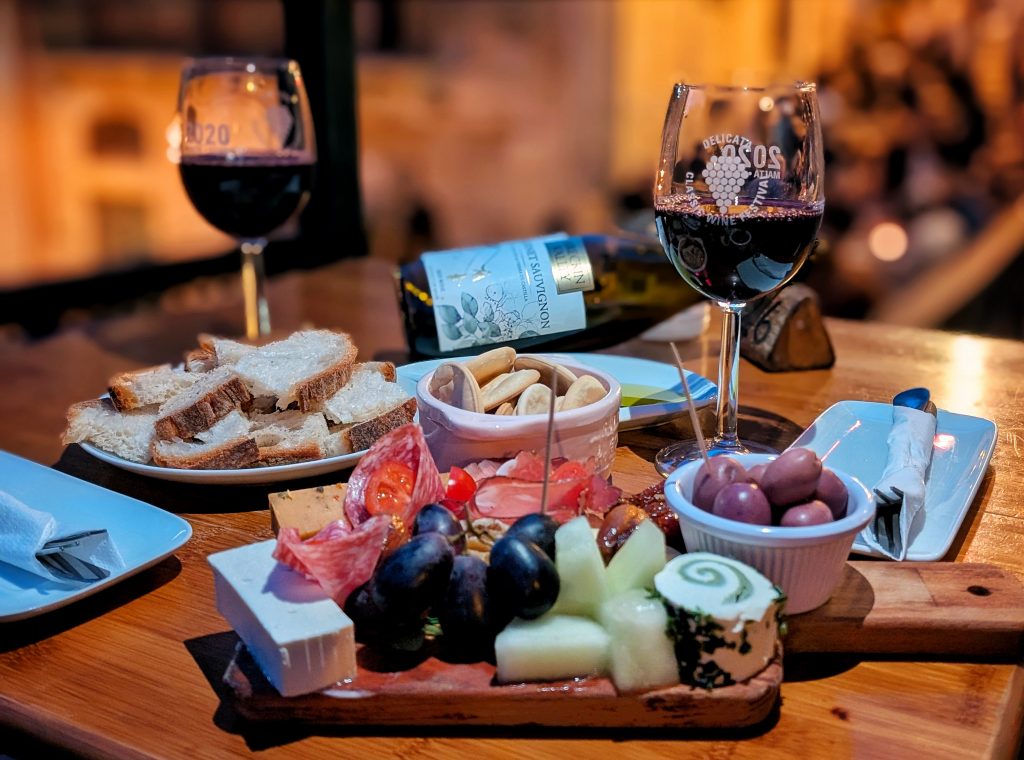
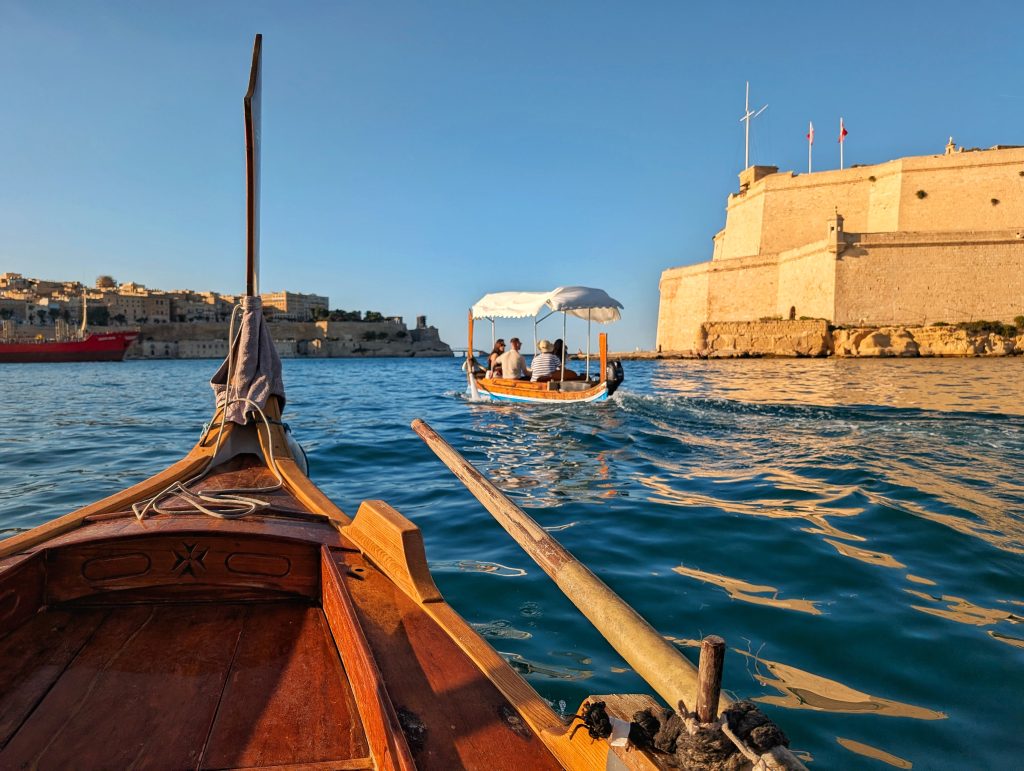
Valletta can be a great choice if you are looking to be in the middle of it all! By that I mean there are tons of restaurants and bars, along with museums, shops, and tours to join! It is very convenient to walk everywhere, and everything is close by! You have easy ferry access to go to Sliema as well as the Three Cities, and it can be a great hub for day trips to other parts of the island.
Now, with that said, it is incredibly touristy and is usually quite busy. It’s not the best place if you want access to excellent swimming spots and want to have more of a low-key vibe. If you really want to stay in Valletta, I would recommend maybe just a couple of days, but perhaps not the whole trip.
Sliema
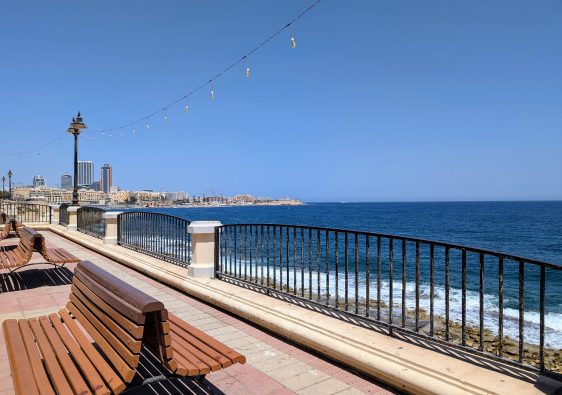
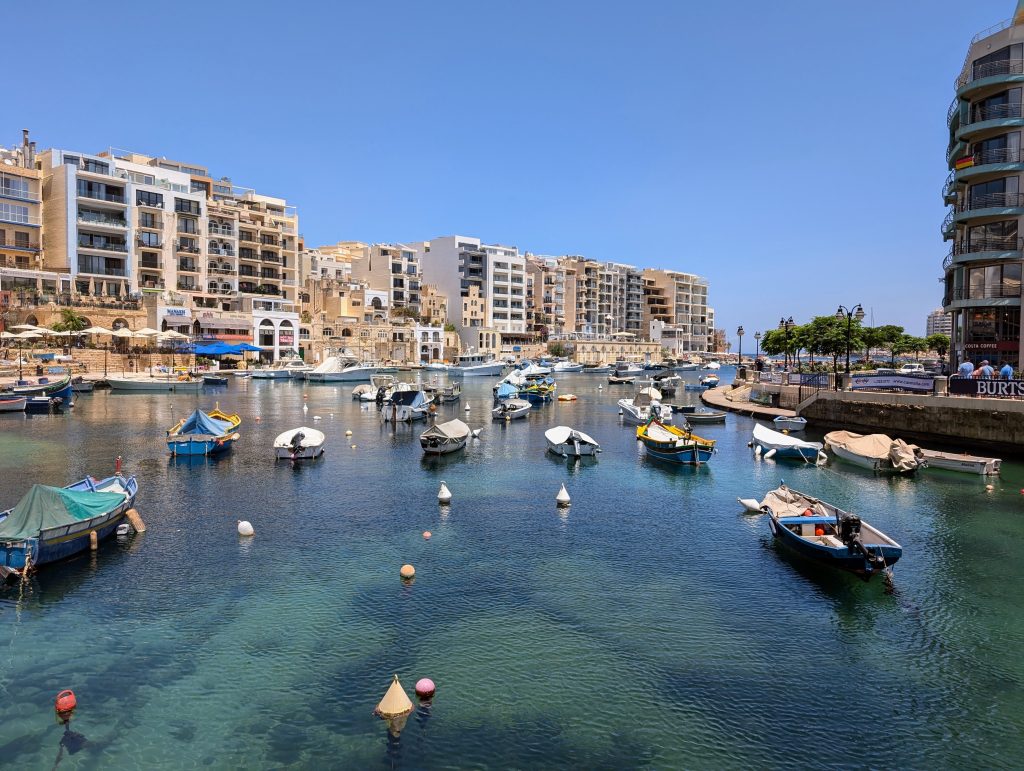
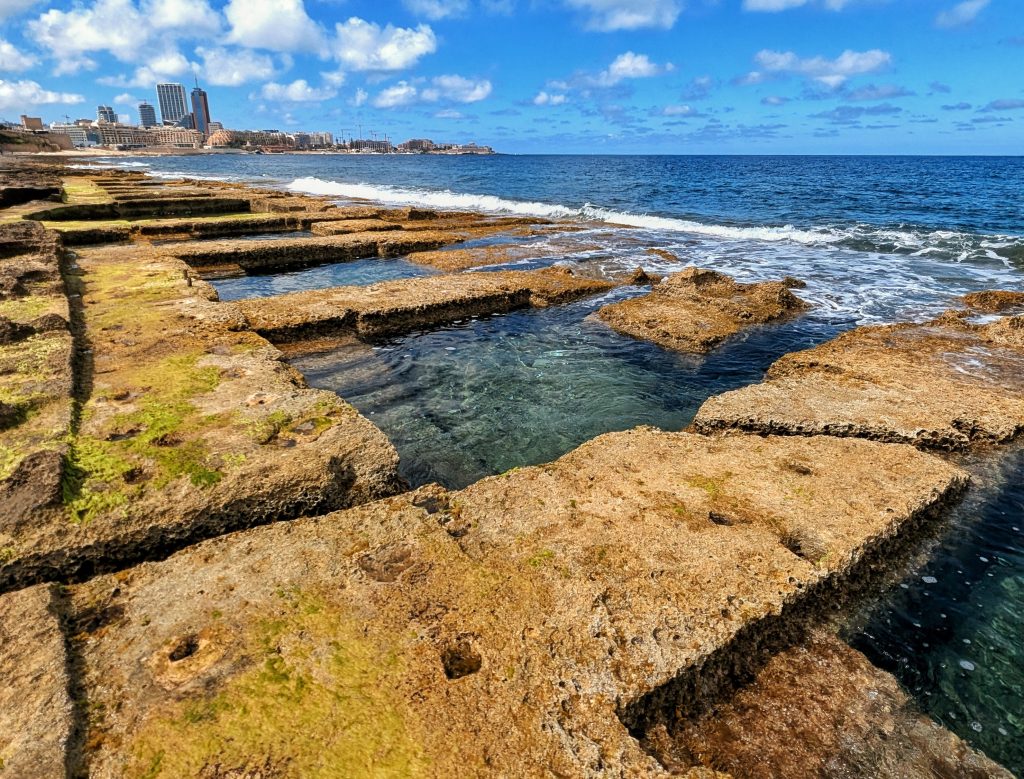
Sliema is a great mix of being more residential while having access to some great restaurants, bars, and views! It is convenient to get to Valetta from Sliema via ferry (2.00€ for a one-way ticket), and the ride is less than 10 minutes. Sliema has a beautiful promenade, access to swimming areas, and overall, it just has a much more relaxing and chill vibe!
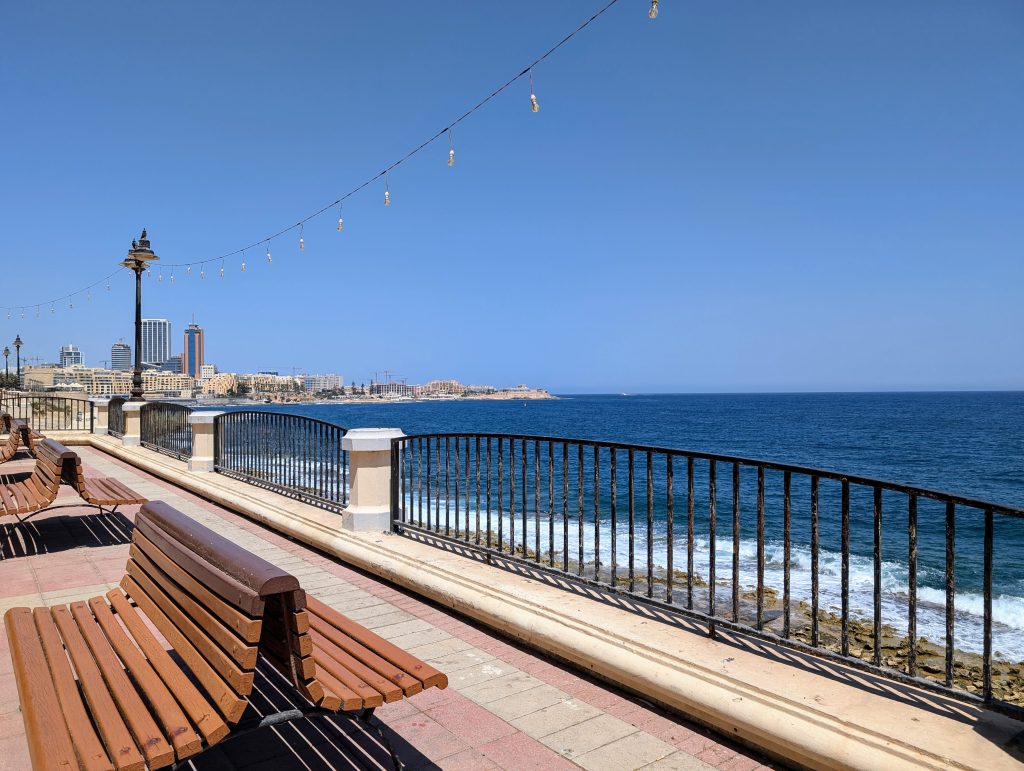
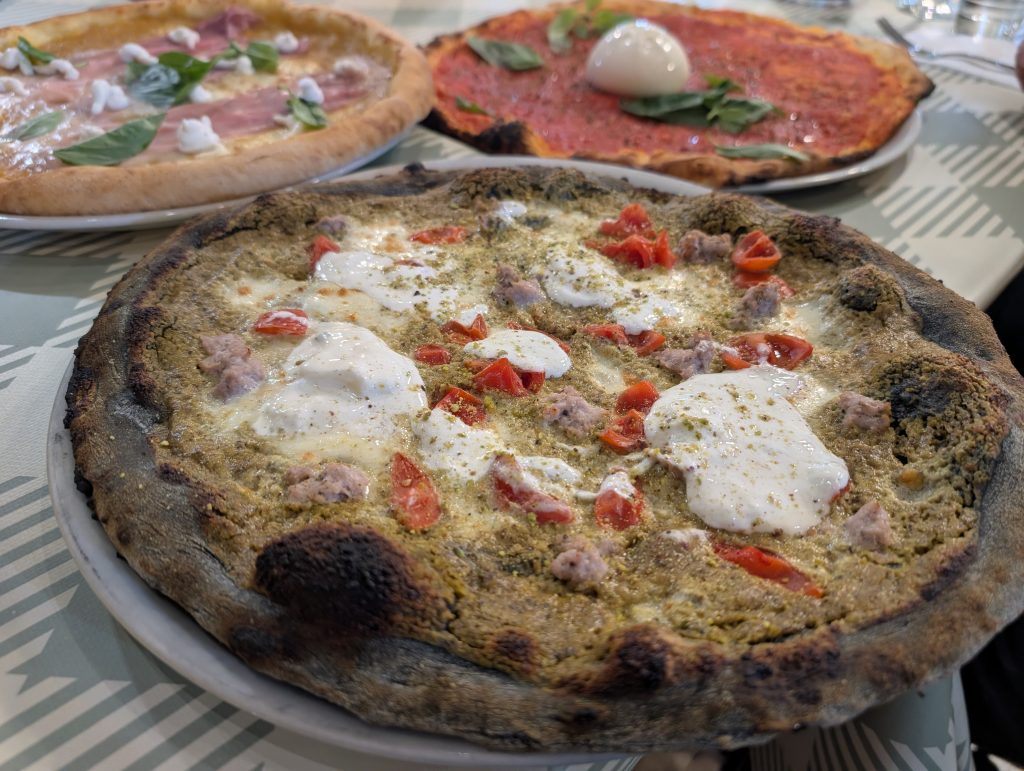
We stayed in Sliema for our one-year stay and absolutely loved it. We felt immersed as more of a local, and although there were certainly tourists around, it didn’t feel overly touristy at all. Sliema has amazing access to the water, and we spent our days exploring the best eats and drinks in the area!
St. Julian’s
St. Julian’s is the place to be if you want to stay at a resort. Some of the best resorts are here, including The Westin Dragonara Resort. You can have some luxurious stays with amazing seaside views! For example, The Westin is tucked away from the heart of St. Julians, so it is more of a quieter area and feels like a retreat. Now the surroundings in St. Julian’s are decent. There is an interesting mix of upscale dining in some areas and clubs and bars that are geared for those in their lower 20s in other areas – so choose wisely haha.
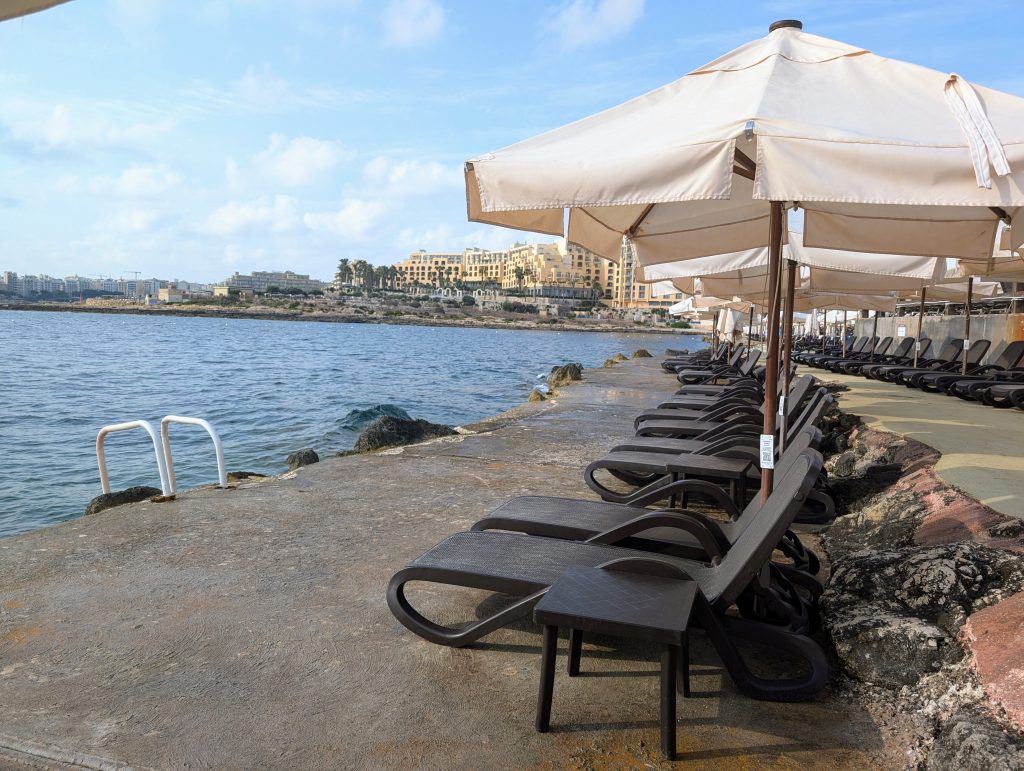
Just my Opinion: Unless you want to stay at a resort, I would highly consider staying in Sliema. (Yes, I am biased as this is where we resided). As a couple in our 30’s, we have great restaurants near us, our favourite craft beer bar close by, easy transportation to Valletta at our fingertips and enjoy swimming at the local spots!
You can use this interactive map to find a great hotel in your area of choice!
3. Malta Currency
The currency here in Malta is the Euro. Almost all places accept credit cards here, so we don’t find that we really need to carry much cash at all. I would recommend using a credit card that has a 0% foreign exchange fee so that you don’t have additional fees when purchasing things.
Note: We have noticed that the American Express Cards here do not anyways work/go through, so just keep that in mind if that is your primary travel credit card.
4. Malta Local Dishes
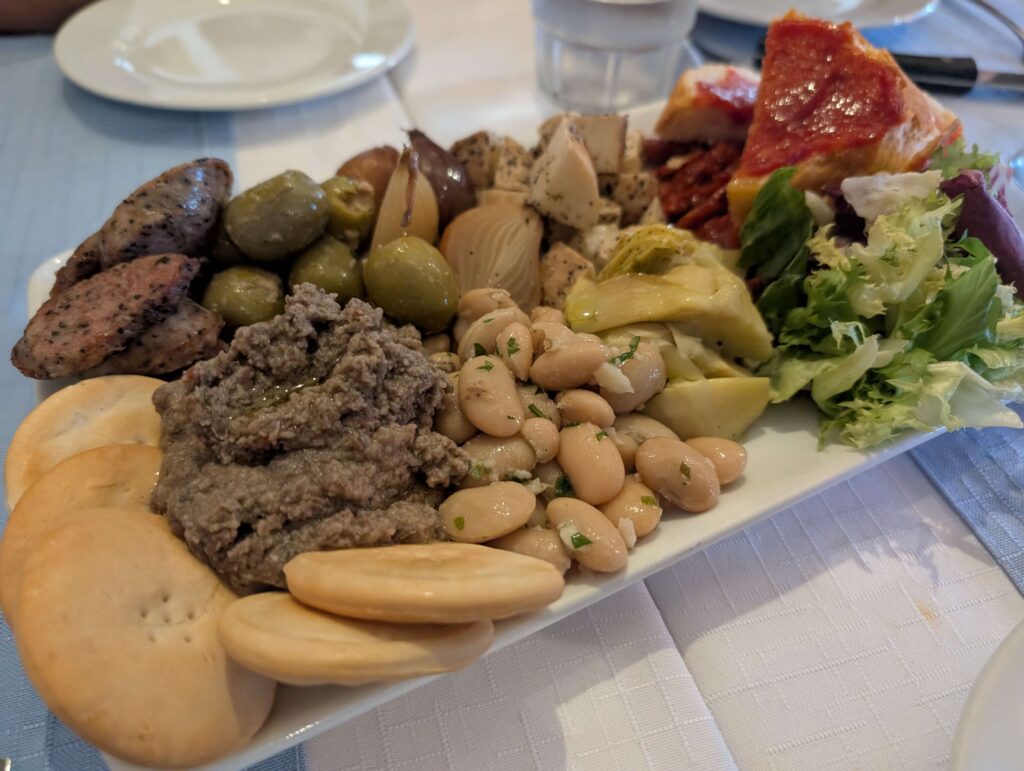
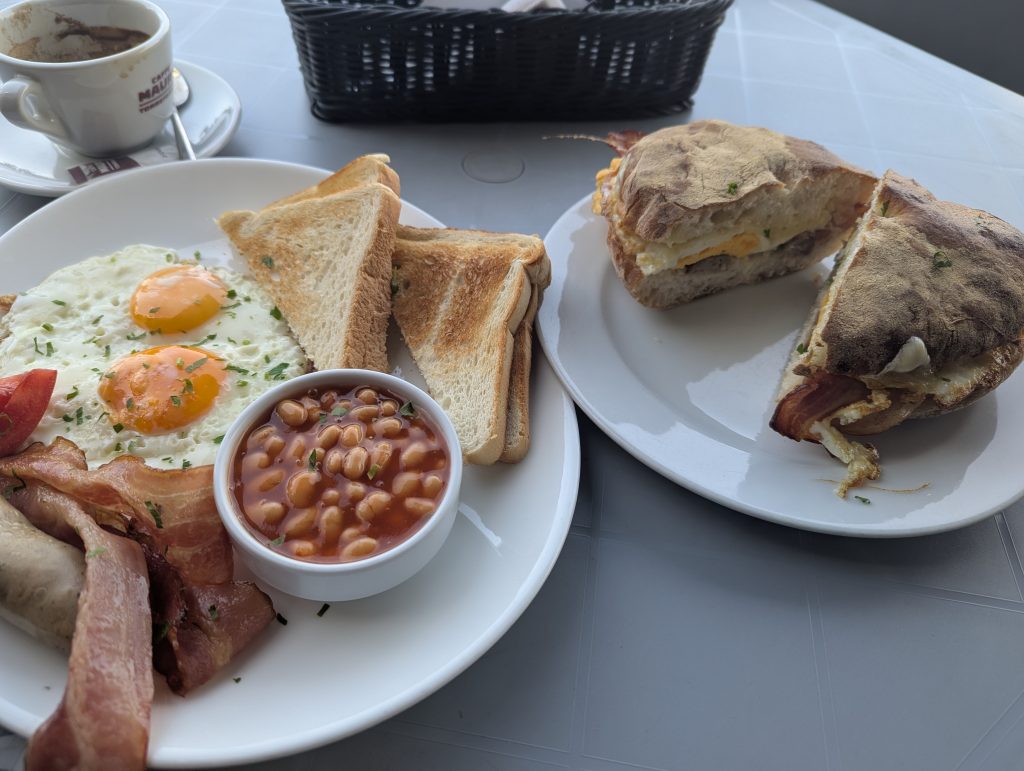
Of course, whenever travelling somewhere, you must try the local cuisine. Here is just a short list of some of the great Maltese eats and drinks you can enjoy:
Rabbit Stew (Stuffat tal-Fenek)
Pastizzi (pea or ricotta filled are my favourite)
Ftira (Maltese Bread)
Kinnie (soft drink)
Prickly Pear
Lord Chambray (Maltese craft beer company)
Of course, there are MANY MANY more Maltese dishes to try on your trip. I also especially enjoyed the pesto pastas that were featured on many menus. Two of my favourite Maltese Restaurants are: Ta’Kris Restaurant in Gżira (near Sliema) and Ta’ Nenu in Valletta, and I highly recommend them!
5. Getting Around Malta and Gozo
Renting a Car in Malta
One of the easiest ways to get around the island is to rent a car, especially if you are planning to travel and see many sights. A one-day rental can cost only 20-30€. If you are mainly staying in one area and taking tours to different places, then you likely won’t need to rent a car, as the transportation will be included in the tour.
Renting a car does allow for a lot more flexibility, and we found it convenient to discover many this way! With Malta being such a small island, you can drive to the other side of the island and back within a day – no problem! This made it easy to have the same home base in Malta and drive around to explore during the days.
We have rented cars from multiple places in Malta. As we lived in Sliema, our rentals were mainly closer to this location. We have rented from Hertz and Nova Rentals near us, as well as had a rental from the Airport (can’t remember which company). Driving an automatic car will cost more than renting a manual one across pretty much all companies.
Just note if you do rent a car – just a reminder that drivers drive on the left side of the road (same as in the UK). Parking – although typically free, isn’t always the easiest to find available spots (especially if you visit Marsaxlokk on a Sunday morning!)
Getting around Malta by Bus
Malta does have a bus schedule and is widely used by locals due to their Talijinia Card program. For this program, you need to prove that you are a local resident with your ID card, register online and submit a card deposit of around 25€. The card is free after that, and you don’t need to load more money on it! Your Talijinia Card will be sent in the mail after a couple of weeks, and you’re good to go!
If you are travelling and not a resident, then you can simply use the bus by paying cash or tapping your credit card. Each journey will cost between 2.00-2.50€ (depending on the time of year), and you have a free 2-hour transfer window with each ticket. This means that with one payment (2.50€), you can transfer to multiple buses for free for the next 2 hours.
In general, I noticed buses were scheduled between 15 minute to 30 minute interval times. Of course, this can vary depending on the day of the week as well as the time of day.
Getting around Malta by Tours
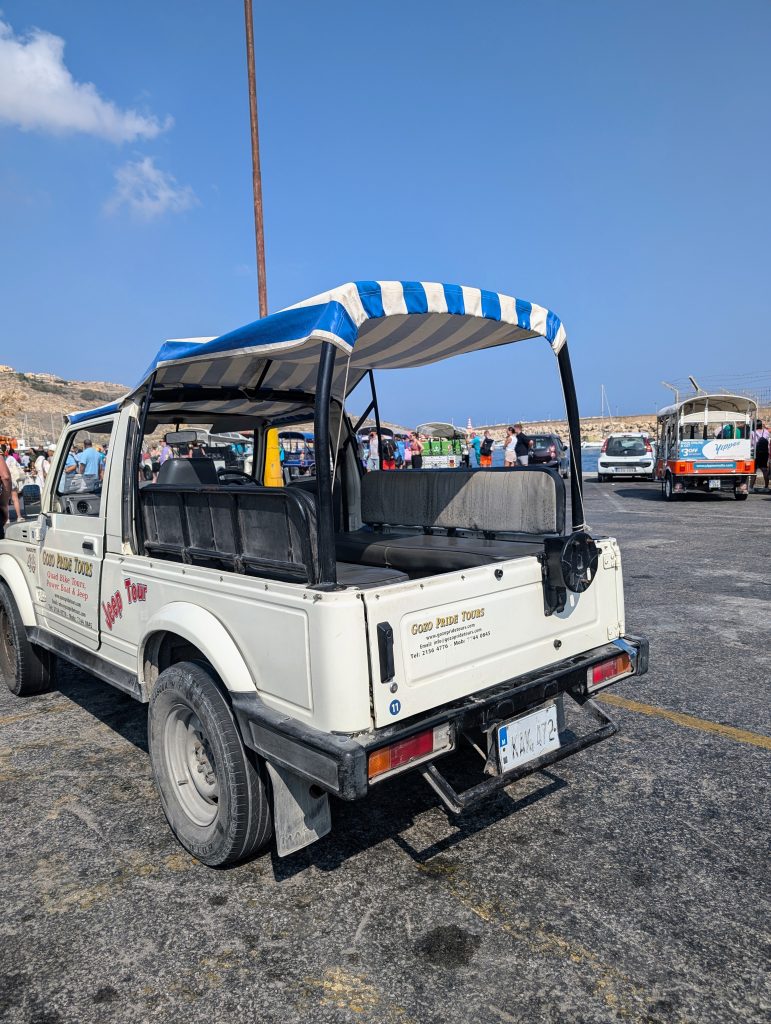
Some of the tours you book include transfers, making it convenient to get to other areas of Malta without renting a car. For example, my friend and I booked a day trip to Gozo from Sliema, where we explored Gozo Island by Jeep. This tour included a pick-up by a sprinter van in Sliema and a boat transfer to Gozo.
6. Mobile Data in Malta
Depending on your phone plan, you may or may not have data already included for your visit to Malta. If you are looking to get mobile data, there are plenty of great options out there now for eSIMs.
We have used a few different eSIM companies, and I recommend you spend a bit of time finding out which plan works best for you. For example, some plans include unlimited data, include multiple countries in a specific region, etc.
You’ll have to download the app first and use the eSIM shop to find a plan (I recommend getting the “regional” SIM called the “Europe Explorer”). Once you buy a plan, you’ll get instructions on how to manually copy and install the eSIM. Don’t forget, when you start travelling, you will need to hit “activate” to start the time countdown to get the data working.
7. What to Pack for Malta
When deciding what to pack for a trip to Malta, it is hard to say, as it is so dependent on the time of year you are travelling. So let’s break this down a bit more:
January – March: It’s winter(ish) here in Malta, which means that it can rain and be a bit windy. Recommend having an umbrella, wearing layers as it can be nice and warm in the sun, and comfortable walking shoes! Temperatures range from approximately 15 to 20 degrees Celsius.
April – June: The weather is getting quite nice! Bust out those shorts and T-shirts! Layers may also be a good idea, though. The sea is starting to warm up, and you can have some great days in the water. Swimsuits are a go! Temperatures range from approximately 20 to 25 degrees Celsius.
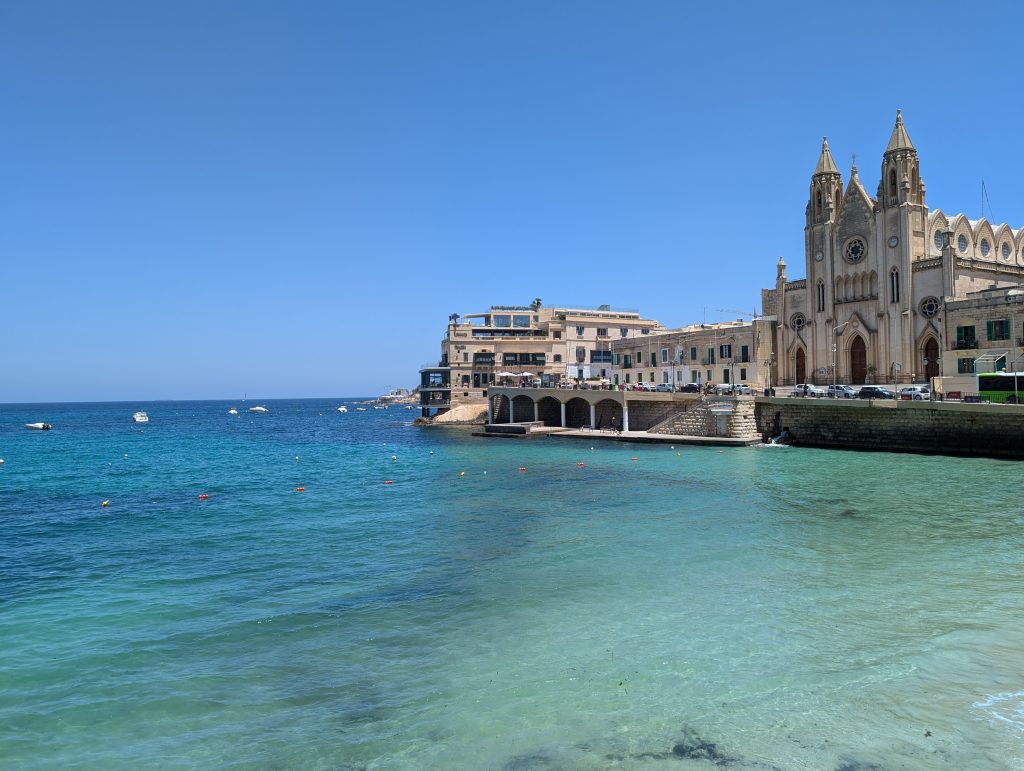
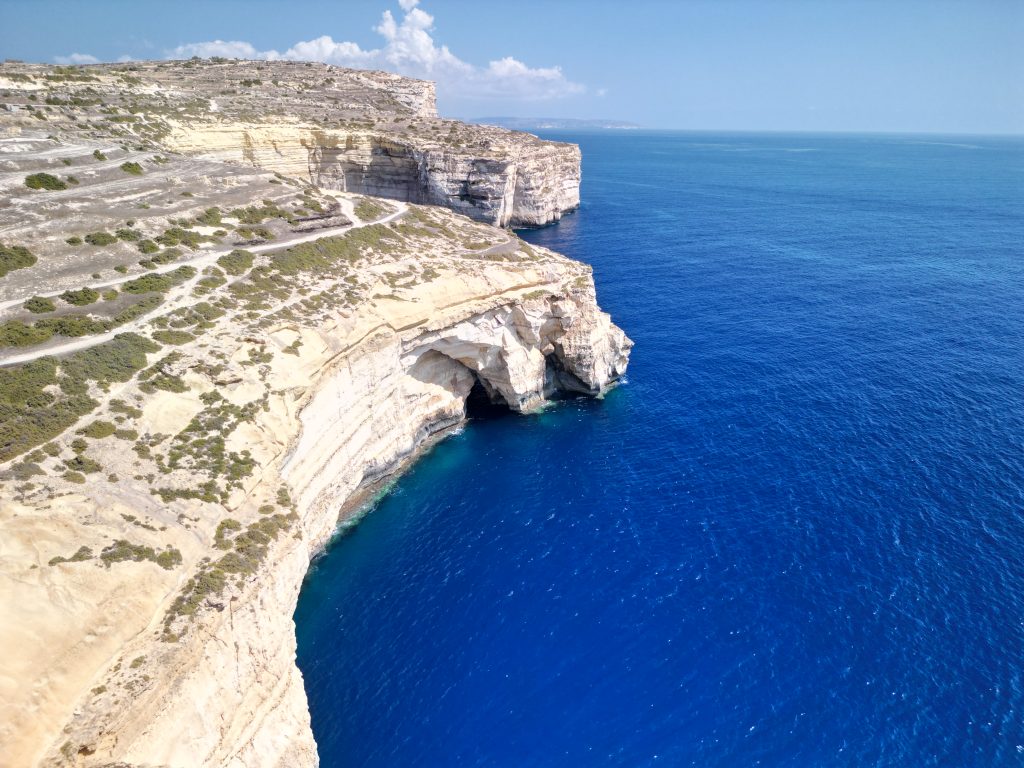
July – September: It is HOT! Swimming is amazing during this time as the sea is so warm! Be sure to find some shade in the sun’s peak hours. Shorts, shirts, sandals, and shoes are key. Temperatures range from approximately 25 to 35 degrees Celsius.
October – December: It’s starting to cool down. We did see some folks swimming in December, but that’s not quite as common, I suppose. Start to layer up, but just lightly! Temperatures range from approximately 15 to 25 degrees Celsius.
Regardless of what time of year you visit Malta, you must bring some sunglasses and sunscreen! The sunshine is amazing here 🙂
8. Things to Visit in Malta
Malta is well known for its sea views and crystal clear water, so I’d recommend going in those summer months to do a day trip to Comino Island, lounge at the Victorian Baths, and head to the hidden gem of Il-Kalanka!
Spending time in the capital city of Valletta is a MUST, where you can visit Fort St. Elmo and the National War Museum, see the St. John’s Co-Cathedral, and view the Three Cities from the Upper Barrakka Gardens!
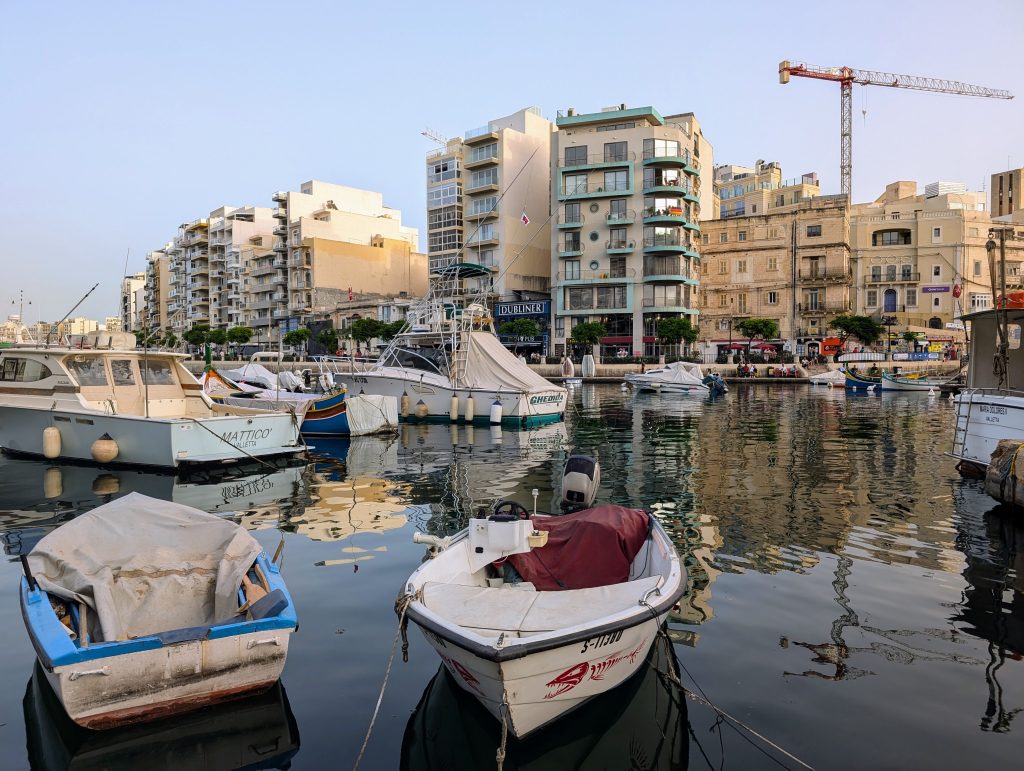
And a trip to Malta wouldn’t be complete without spending time in Marsaxlokk to see the beautiful Maltese boats and living like a local in Sliema!
I hope that this article helps prepare you for the things to know before going to Malta. We really enjoyed our time here as digital nomads and truly feel this island has a lot to offer for an amazing vacation! If you have any more questions, drop them below! Happy travel planning!